
Category: Climate Change
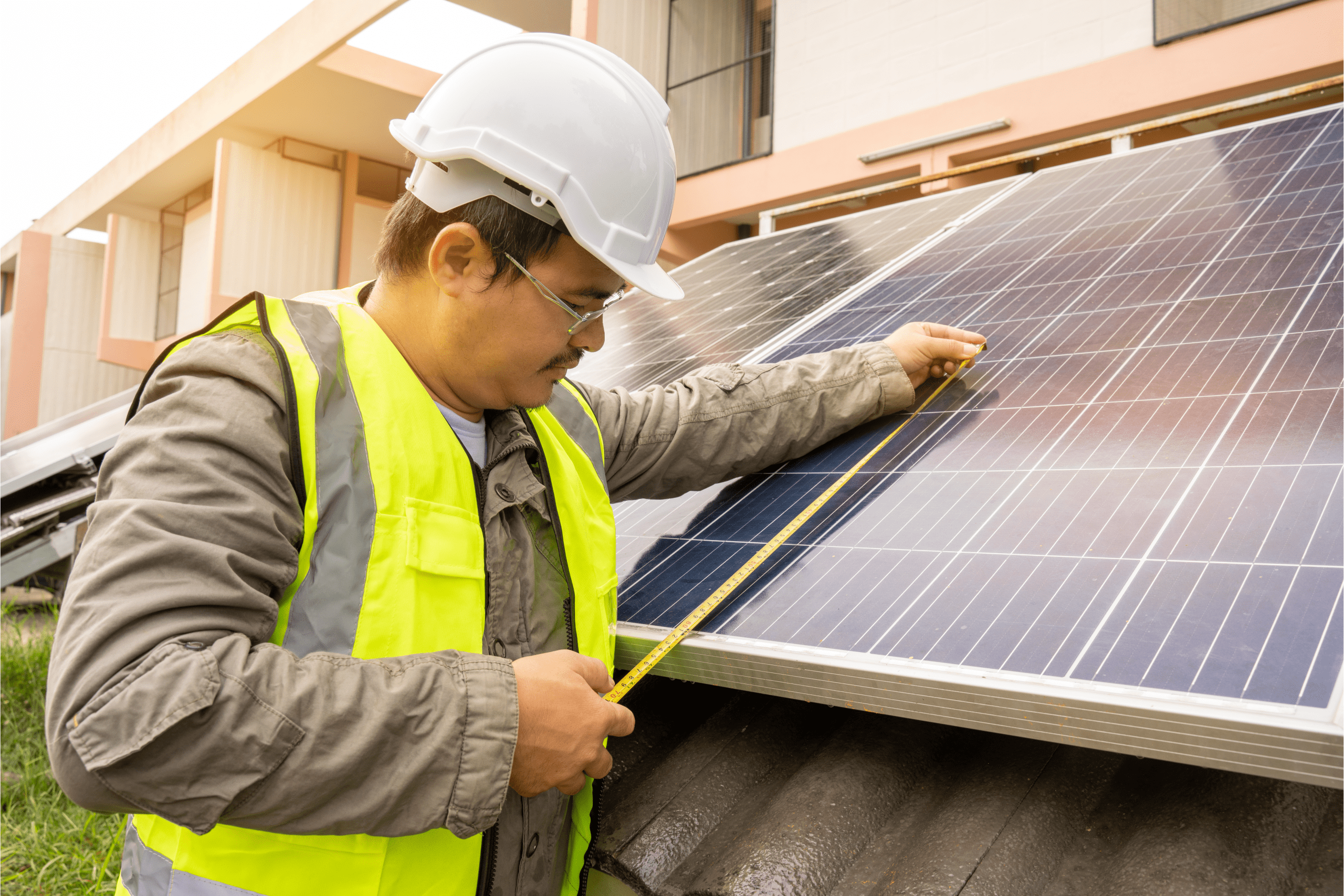
Energy Security is National Security—Now Is the Time to Act
Post / March 6, 2026
The latest escalation in tensions with Iran is already sending shockwaves through global energy markets. Oil prices are rising, gas prices are following, and uncertainty is spreading across supply chains and economies. As we follow the war and hope for a quick de-escalation, the pending energy...
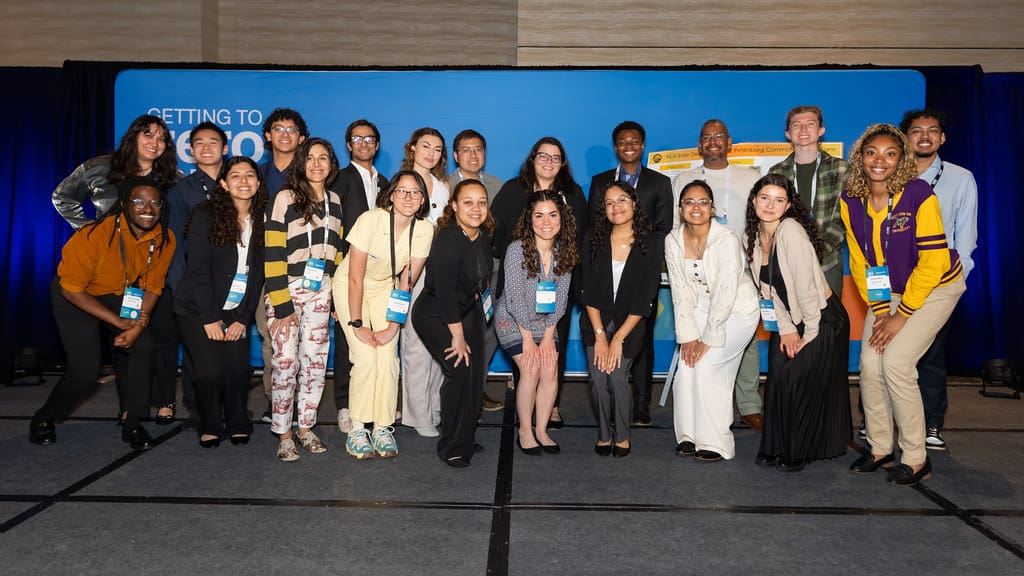
Impact in Action: Next Gen Supporting Future Clean Energy Leaders
Post / February 11, 2026
The clean energy and green buildings industry is growing fast, but the workforce needed to sustain that growth isn’t keeping up. Moreover, long-standing equity gaps continue to limit who has access to careers in the sector. NBI is working to address these...
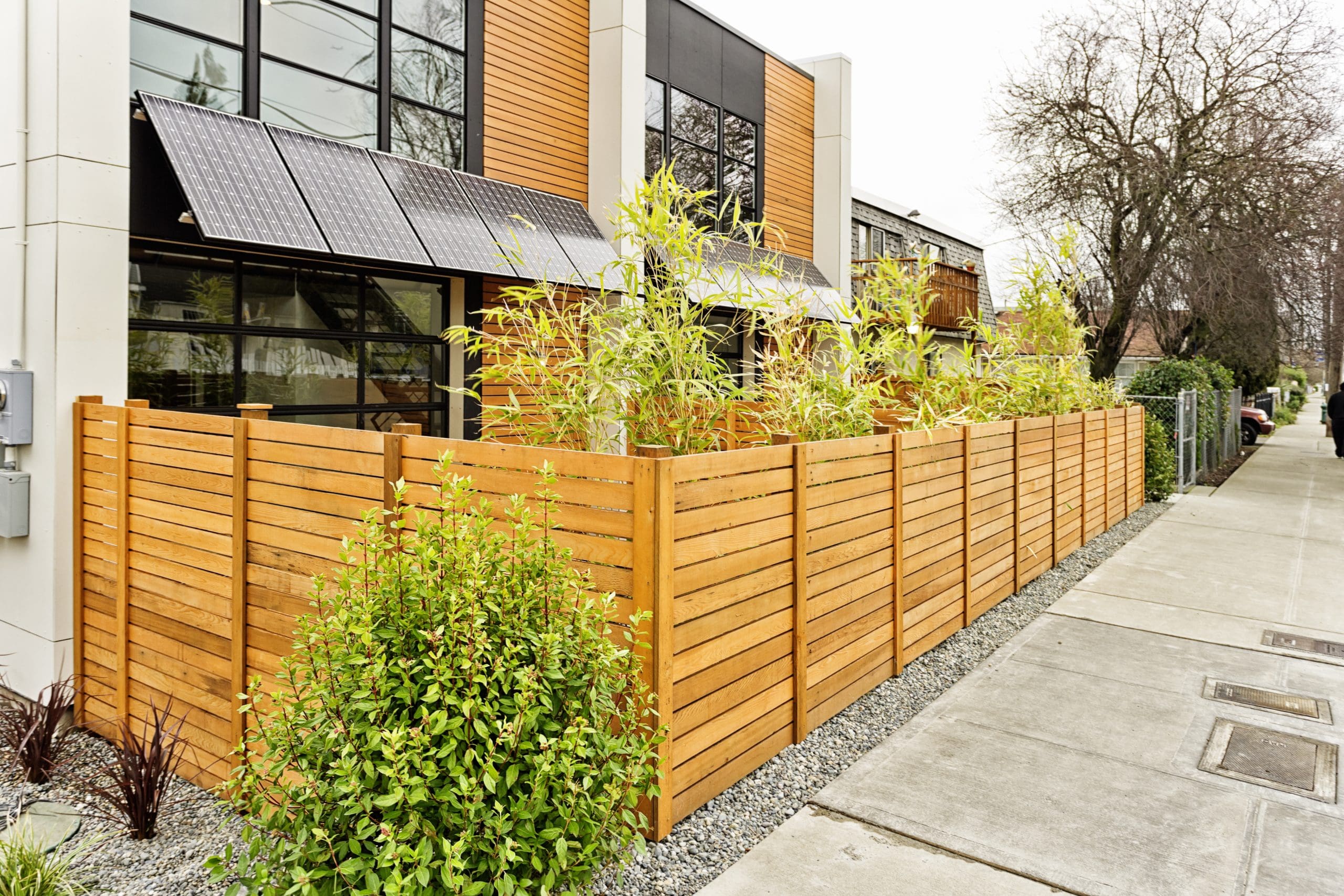
Exploring Pathways to Zero: NBI and Phius Partner to Expand the Getting to Zero Buildings Database
Post / February 4, 2026
At NBI, we are dedicated to advancing and tracking the leading edge of best practices for the built environment. Our Getting to Zero Buildings Database is a resource for the industry, cataloging verified and emerging zero energy projects across North America. Today, we are proud to announce an expansion of this resource...

When Winter Storms Hit, Energy Resilience Matters
Post / January 26, 2026
Beginning on Saturday, January 24, 2026, a major winter storm struck several regions of the country, impacting nearly half of the U.S. population. Like many others, I closely followed the forecasts starting Thursday, worrying about potential power outages and their cascading impacts. By Saturday evening, reports of service disruptions, emergency responses, and distress among households and communities began to emerge. I repeatedly checked the power outage map and was...
The International Code Council Publishes the Draft Scope & Intent for the 2030 International Energy Conservation Code Development Cycle
Post / January 20, 2026 / Energy Codes
On January 15 the International Code Council (ICC) Board published the draft 2030 IECC (International Energy Conservation Code) Scope & Intent, including the cost benefit analysis approach. The draft Scope & Intent outlines what will be considered within scope for the...

A New Partnership to Support Schools
Post / January 16, 2026
Over the past decade, New Buildings Institute (NBI) and the Center for Green Schools (CfGS) have collaborated through independent programs to provide K-12 schools across the U.S. with technical assistance, in-person events, and virtual learning opportunities. These two organizations are excited to combine their efforts in 2026 to officially partner on an HVAC Change Lab, an innovative approach to support school districts in improving their operations. The HVAC Change Lab is a...

Hopeful in 2022 during this make-or-break year on climate change
Post / January 6, 2022
We are optimists, and a new year offers opportunities for inspiration and hope. Our current challenges seem unrelenting. But even as we battle several emergencies all at once, we see bright spots of opportunity for necessary and significant progress to...

The Future of Building Decarbonization Starts Now
Post / July 8, 2021
With buildings currently representing 39% of U.S. carbon emissions from operational and embodied sources, jurisdictions look toward advanced building codes and policies as critical and urgent strategies for meeting their climate goals. Despite overwhelming support from public bodies, recent efforts...

This Earth Day, Every World Leader Should Be Talking About Education
Post / April 19, 2021
On his first day in office, President Biden recommitted the United States to the Paris Agreement, an international effort to address the climate emergency. In rejoining the Paris Agreement, the United States must define and commit to delivering greenhouse gas...

Buildings’ Impact on Pandemics
Post / February 26, 2021
As the people across the globe respond to the COVID-19 pandemic, a concerted effort has been made to keep occupants safe as office buildings reopen, an endeavor that can inherently use more energy from carbon-intensive generation resources exacerbating climate change...

Could coronavirus be a wake up call for climate action?
Post / May 8, 2020
We are living through an unprecedented global health crisis that has upended our daily routines and halted the economy in a matter of weeks. Rebounding from the loss of lives and the economic fallout caused by the coronavirus across the...

Los Angeles Mayor Garcetti Leading the Way to Decarbonization with Municipal Buildings
Post / February 11, 2020
Less than year after Mayor Eric Garcetti unveiled a Green New Deal for the city of Los Angeles, he is building on that leadership with a new Executive Directive that will help kick-start the decarbonization movement by accelerating the transformation...
Efficiency and Carbon Reduction Goals Converge at the Built Environment
Post / April 17, 2019
With mounting evidence that immediate and aggressive action is necessary to address climate change, combined with a lack of leadership on this issue by the federal government, state and local governments are taking meaningful actions to adopt, honor, and meet...
A Small Window of Opportunity to Make Huge Gains in Climate Action
Post / March 19, 2019
Cities face unrelenting demands on policy priorities. Affordable housing, transportation, economic development, climate action, and other pressing issues compete for limited resources and funds. Now is a moment in time, however, when the opportunity to make significant progress toward carbon...

Local Governments Can Lead by Example in Climate Action, Starting with the Buildings They Own
Post / February 27, 2019
For communities across the United States that are committed to implementing policies and practices that advance the goals of the Paris Climate Agreement, buildings represent a golden opportunity to lead by example. Overall, about 20% of the nation’s building floorspace...
2019 is the Year of Energy Codes
Post / January 14, 2019
If there’s a defining theme for the building sector in 2019, it’s energy codes. Actions to update the rules that cities and states set to determine how effectively new residential and commercial buildings use energy are progressing on several fronts...
New York Invests in Energy-Saving Strategies to Meet Climate Action Goals
Post / January 4, 2019
New York has emerged as a shining star in local energy policy with New York Governor Andrew Cuomo’s announcement early last year of an ambitious energy efficiency target to reduce energy consumption by 185 trillion BTUs (British thermal units) by...
Aiming for Zero Energy in Existing Buildings
Post / October 10, 2018 / Existing Buildings, Operations & Maintenance
This blog was originally published as an article in Facility Executive on October 9, 2018. As the extreme weather impacts of a changing climate become more urgent, cities and states are racing to put in place strategies that will reduce...
Energy Efficiency and Equity
Post / September 25, 2018
A recent article from CityLab highlights the squeeze on low-income households—primarily renters—from rising energy cost and dwindling funding for low-income energy assistance programs. Disadvantaged communities—low-income and largely minority neighborhoods–spend a much higher share of their income on energy, according to...
Better Buildings Can Limit Climate Change
Post / September 4, 2018
This guest blog was written by David Goldstein, NBI Board Member and NRDC Co-Director, Energy Program. It was originally published by NRDC on August 28, 2018. Climate change is the most important known-to-be-solvable problem of our time. Because buildings are...
The Sum of its Parts – Honoring the Paris Climate Agreement
Post / June 2, 2017 / Policy
Last October, New Buildings Institute along with a host of partners, opened the Getting to Zero National Forum with great enthusiasm, sharing gratitude and satisfaction over the ratification of the Paris Climate Agreement, noting how the global agreement to address...
Increasing Energy Efficiency Through Connected Systems
Post / May 11, 2016 / Integrated Solutions
Ralph Dinola, CEO, recently spoke at the EE Global Forum in Washington, D.C. The presentation was “Increasing EE Through Connected Systems: How Can Communities Take Into Account Holistic System Efficiency From Day One”, and this is his talk. At NBI,...
Global Climate Action and Energy Efficiency
Post / March 9, 2016
Global energy use is shifting. It is hard not to notice plunging prices for oil, coal and natural gas. In the past, whenever fossil fuels became cheaper, usage increased – but carbon emissions are not rising in response this time...