
Join us for an in-depth look at Variable Refrigerant Flow (VRF), one of the most efficient options for electrifying commercial HVAC in cold climates... Learn More
- This event has passed.
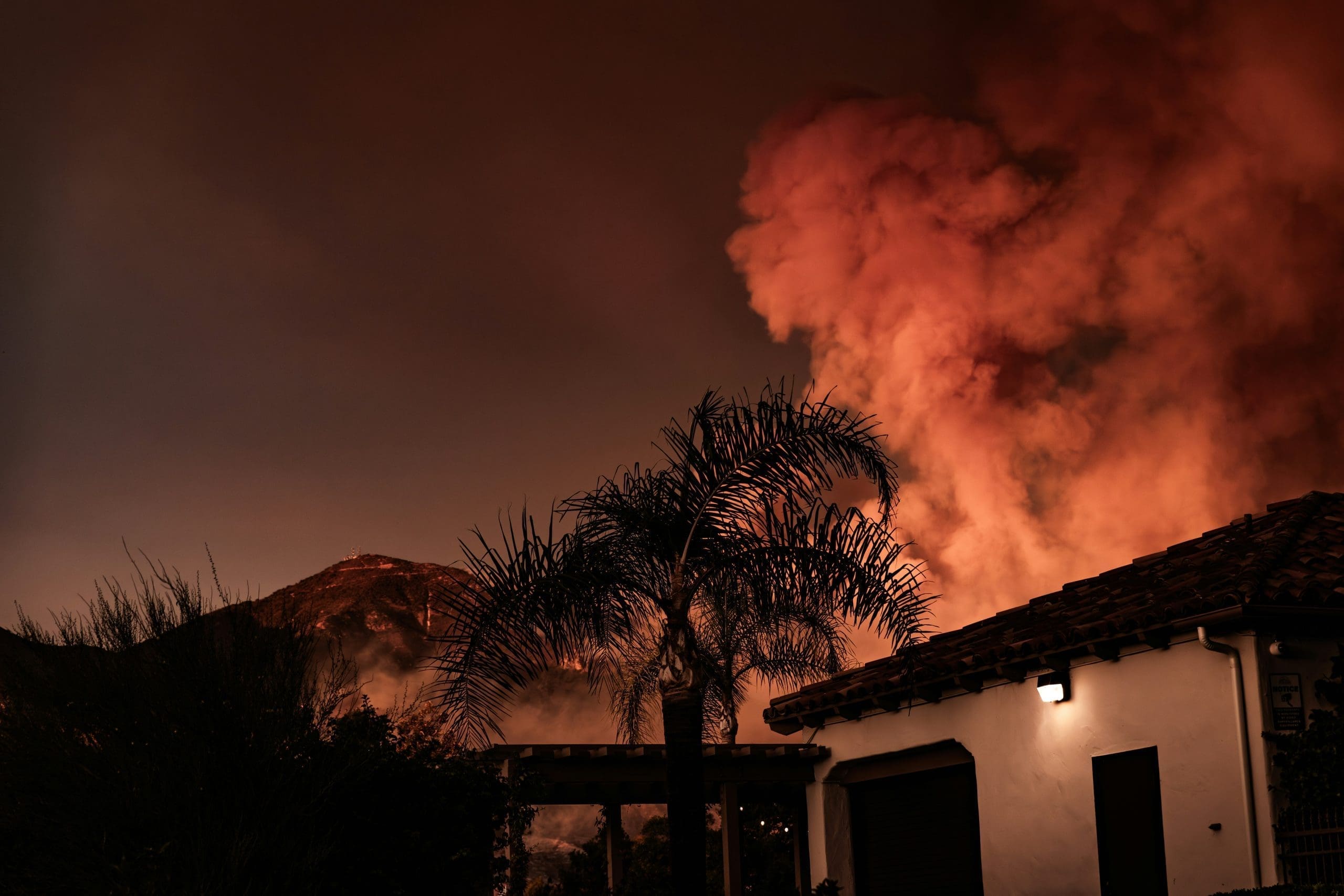
Join us for an impactful webinar exploring how fire-resistant materials can align with energy-efficient design to create resilient, sustainable buildings in wildfire-prone regions—ensuring both safety and climate resilience.
The increasing frequency and severity of wildfires in Northern and Southern California have raised urgent questions about how to build structures that can withstand these disasters. The consequences of these fires are devastating, but they also offer an opportunity to rethink how we approach building design. As communities and industries grapple with the devastation caused by wildfires, the construction sector is experiencing an increased demand for fire-resistant materials and resilient design strategies. But there is another layer to this challenge: how do we build structures that are not only fire-resistant but also energy-efficient and climate-resilient?
Register to save your spot for this in-depth exploration of the intersection between fire safety and energy efficiency in modern buildings. Hear from experts who will share case studies, actionable strategies, and the latest research on how to create buildings that are not only safer but also part of the climate solution. Learn how we can protect people, buildings, and the environment through innovative design solutions that stand the test of time and disasters alike.
Panelists:
 Cameron Chorney, Associate and Senior Engineer, RDH
As an Associate and Senior Engineer, Cameron is an integral member of RDH’s building enclosure group, leading the development of RDH’s Southern California practice. He is experienced in both new buildings projects as well as building enclosure assessments and renewals of existing buildings across the country. He specializes in high-performance building design, including net-zero construction, wildfire-resistant enclosures, climate resilient enclosure design, and the development of policies and guidelines to advance building science. Cameron is an active volunteer with AIA, USGBC, NBI, CSI, and the ACE Mentor Program, advocating for positive change in the ACE community.
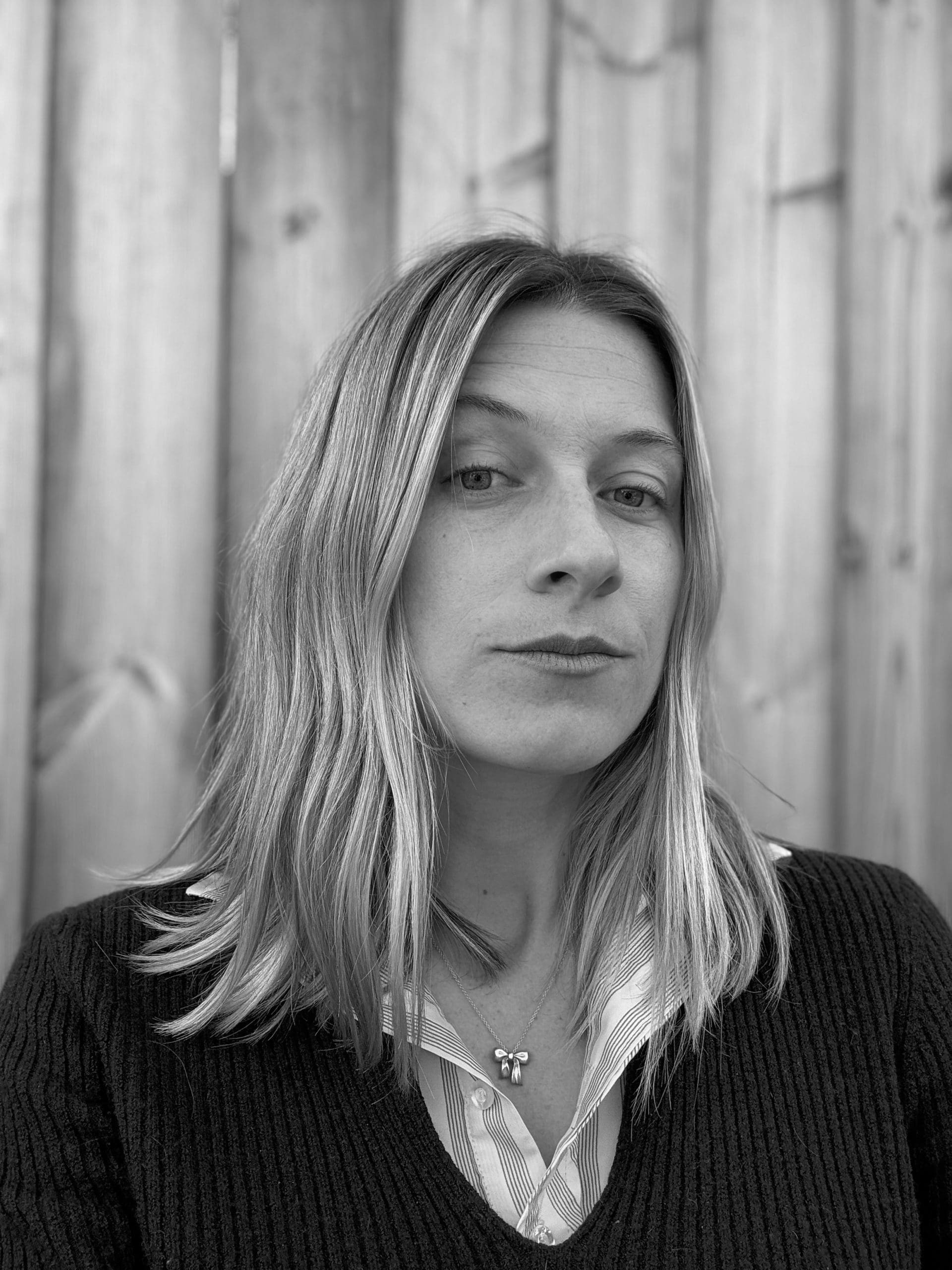 Ali Samantha Keenan, Architect + Designer, Ali Keenan Architecture
A licensed architect in California, Ali founded her own boutique practice Ali Keenan Architecture. Her work responds to site and climate, celebrates the craft and honesty of materials, and has a sense of place & locality. She is a healthy material and sustainability advocate, while actively researching alternative building methods and fire-resistant practices, with the goal of making architecture more accessible and affordable for all. Ali received her Bachelor of Architecture from California Polytechnic State University, San Luis Obispo with a minor in Sustainable Environments.
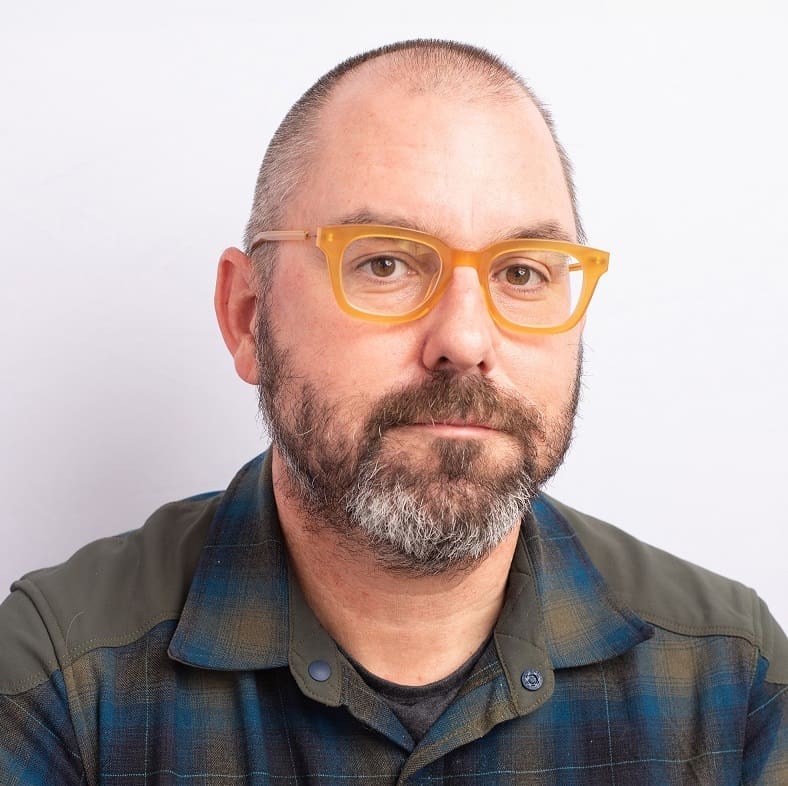 Ben Loescher, founding Principal, Loescher Meachem Architects
Ben’s work at Loescher Meachem Architects focuses on the reuse of existing buildings, high-performance workplace design for the film, television, and media industries, and innovation in earthen construction. In 2009, he created Adobeisnotsoftware, the firm’s advocacy arm that informs, enables, and advances adobe construction in California. Ben was the Chair of the Earthbuilders’ Guild – the U.S. trade association for earthen construction from 2016-2023, and is a board member for Adobe in Action, a New Mexico-based non-profit focused on assisting individuals in creating affordable earthen housing. Ben holds architecture degrees from Miami University, the University of Michigan, and the Architectural Association.
Moderator:
 Ariel Brenner, Program Manager, Codes & Policy, New Buildings Institute
Ariel advances sustainability, resilience, and equity within the built environment and the policies that shape it. She worked as a graduate intern at the White House Council on Environmental Quality, where she supported the Biden administration’s initiatives to enhance the sustainability of the built environment and bolster community resilience to the impacts of climate change. As an urban designer in Los Angeles, she collaborated with city departments and neighborhood residents to draft planning policies that guided development to respond to local needs.
Supported by

Explore free courses on energy efficiency and electrification with The LEARN Program. LEARN’s interactive learning hub covers topics like building design & construction, HVAC and hot water systems, renewable energy, and more as well resources to help you electrify your own home. Start learning today at sandiegolearn.com.